What Is Generative Engine Optimization: AI SEO for Local Businesses

What Is Generative Engine Optimization? Imagine your best clinic, law firm, or real estate listing being summarized and recommended by an AI assistant when a local customer asks a question, without them ever clicking past the chat answer. For small to mid-sized businesses, professional service providers, and established brands in Scottsdale, Phoenix, and across Maricopa County, that moment is already changing how visibility and leads are earned. This is especially relevant for dental and medical practices, real estate firms, and local service businesses that want modern websites, higher visibility, and better ROI from Google Ads and SEO. Think Day 7 content for early-stage business: clear value, trust signals, and easy actions, and you have the foundation.
What Is Generative Engine Optimization
Generative Engine Optimization, often shortened to GEO, is the set of practices and signals you use to increase the chance that generative AI systems and AI-powered search will cite, summarize, or surface your content in their synthesized answers. Unlike traditional SEO, which optimizes for ranking positions on a results page, GEO optimizes for being included inside an AI-generated response or overview.
Why this matters now
- AI Overviews and generative features from major engines are appearing at the top of search results and in chat assistants, and they can satisfy user queries without a click. See Google's overview of generative AI in Search for context: Google on generative AI in Search.
- When an AI picks sources for a synthesized answer, citation and perceived authority matter much more than simple keyword density.
- For local service businesses, being present in an AI answer means direct trust signals to potential customers and can reduce ad spend wasted on low-intent clicks.
How Generative Engine Optimization Works
Generative engines use large language models plus retrieval systems to gather, synthesize, and present information. GEO is about shaping the content and signals those systems rely on.
The core elements of GEO
- Structured, scannable content: clear headings, FAQs, lists, and schema that help retrieval systems find relevant passages.
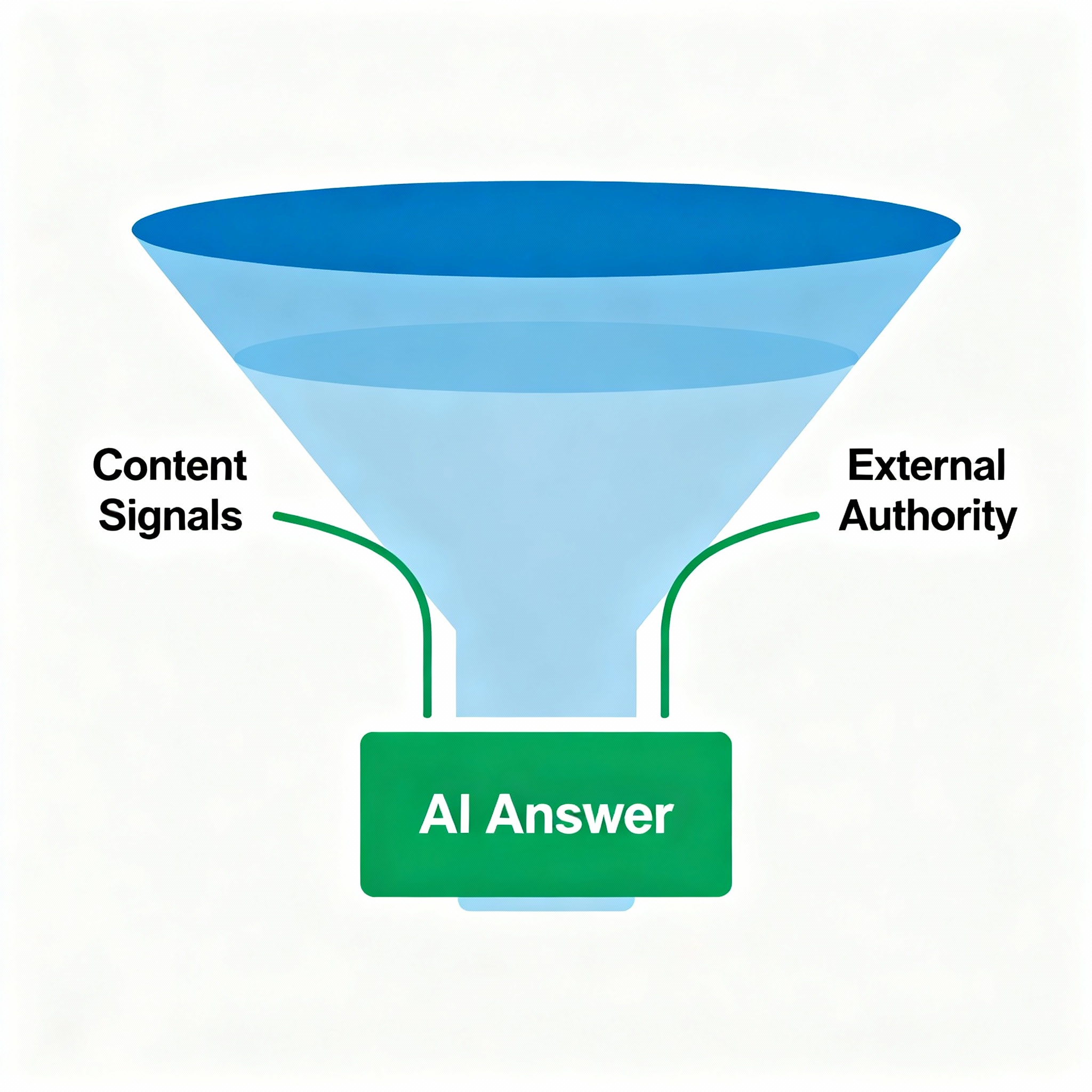
- Authoritativeness and third-party references: earned media, citations, and partnerships that build external weight for your pages.
- Local signals: consistent Google Business Profile data, citations in trusted directories, local schema, and geotargeted pages.
- Freshness and topical depth: content clusters that demonstrate subject expertise across related questions.
Signals that help a generative engine choose your content
- Clear answers to common questions, ideally in short paragraphs and bullet lists.
- On-page markup: JSON-LD for local business, FAQ schema, well-structured article schema.
- Unique first-party data or point-of-view that other sites quote or cite.
- High-quality backlinks and mentions from authoritative sources.
Practical GEO Tactics for Local Businesses
Here are actionable steps you can apply to dental clinics, medical practices, real estate teams, and other service businesses.
1. Design content for machine scannability
- Put direct, short answers at the top of pages and in H2/H3 headings.
- Create an FAQ page that mirrors real conversational questions patients or buyers ask.
- Use bullets and numbered steps to summarize procedures, pricing ranges, or buying processes.
Why it works: generative engines look for definitive, concise snippets they can copy or summarize.
2. Secure credible citations and earned media
- Pitch local stories to local news outlets or industry publications, and encourage cited coverage.
- Publish whitepapers, client case studies, and data that others can reference.
Why it works: AI systems often favor sources that other reputable sites reference.
3. Optimize local profiles and structured data
- Keep your Google Business Profile complete and updated, with services, hours, and photos.
- Add LocalBusiness JSON-LD, service area data, and consistent NAP across directories.
Why it works: local metadata is a direct signal for location-aware AI answers.
4. Build content clusters, not single pages
- Produce short pages that answer single high-intent queries, grouped under a pillar page.
- Internal linking should guide a user and a machine through a logical knowledge path.
Why it works: depth and topical coverage increase the chance an engine will use your content when synthesizing answers.
5. Use targeted PPC and AI-assisted creative to test intent
- Run small Google Ads or Performance Max experiments on queries you want to dominate, then analyze which queries convert best and build organic content around them.
- Use generative tools to draft answer-first content and then customize it with local expertise.
Why it works: ad data helps validate which conversational prompts lead to real business outcomes.
Monitoring, Measurement, and Risks
What to track
- Inclusion in AI Overviews or generative answer features, when visible.
- Branded searches that include follow-up conversational queries.
- Referral traffic, leads, and conversions from pages optimized for GEO.
Caveats and ethical considerations
- AI summaries can be wrong, and they sometimes cite unreliable sources. Monitor results and correct misinformation quickly. See reporting on when AI summaries went off track and how Google responded: The Guardian on AI Overviews issues.
- Avoid “gaming” by generating low-value pages solely for citation. Focus on real expertise and verifiable data.
Quick Case Example
A mid-sized dental practice in Scottsdale published a cluster: a local landing page for general dentistry, plus five FAQ pages that answered real patient questions, and three case studies with before and after metrics. After pitching a local health column, the practice gained two citations on local sites and saw their informational pages appear in AI summaries for “best dentist near me” style queries. The business measured a 20 percent increase in appointment requests tied to those pages in six weeks. The lesson, simple: high quality plus local credibility beats thin keyword targeting.
Tools and Further Reading
- Google on integrating generative AI into Search, for product context and signals: Google Blog on generative AI in Search.
- Practical guides and community playbooks on generative AI and SEO from Search Engine Journal: Search Engine Journal, Leveraging Generative AI for SEO.
- A clear primer on AI Overviews and their behavior: TechTarget definition of AI Overviews.
Conclusion and Next Steps
Here is the thing, GEO is not a magic trick. It is a practical evolution of SEO that rewards clarity, trust, and local credibility. If you run a dental clinic, medical office, or a real estate team in Phoenix or Scottsdale, start by cleaning up your local metadata, publishing short answer pages that reflect real questions you get from clients, and earning a few local citations. Test with a small Google Ads campaign to validate intent, then scale the content cluster that performs.
Want help auditing your site for GEO readiness or building local content clusters that convert? Reach out for a practical audit and a 30 day action plan tailored to service businesses in Maricopa County and beyond.