Effective Content Marketing Strategy for Professional Services

Effective content marketing can move the needle for service businesses faster than most paid ads when it is done right. If you run a dental or medical practice, a real estate office, or a local service business in Scottsdale, Phoenix, or Maricopa County, this guide will show you a practical, ROI-first playbook that combines SEO, AI-driven search optimization, targeted Google Ads, and conversion-focused web redesign. Right away, note one core idea: effective content marketing strategy for professional services starts with clear audience problems and measurable outcomes.
Table of Contents
- Quick summary
- Why this works for professional services
- Step-by-step content framework
- Research and positioning
- Content production and formats
- Technical and AI SEO
- Distribution and paid amplification
- Measurement and iteration
- Mini case study and examples
- FAQ
- Next step
Quick summary
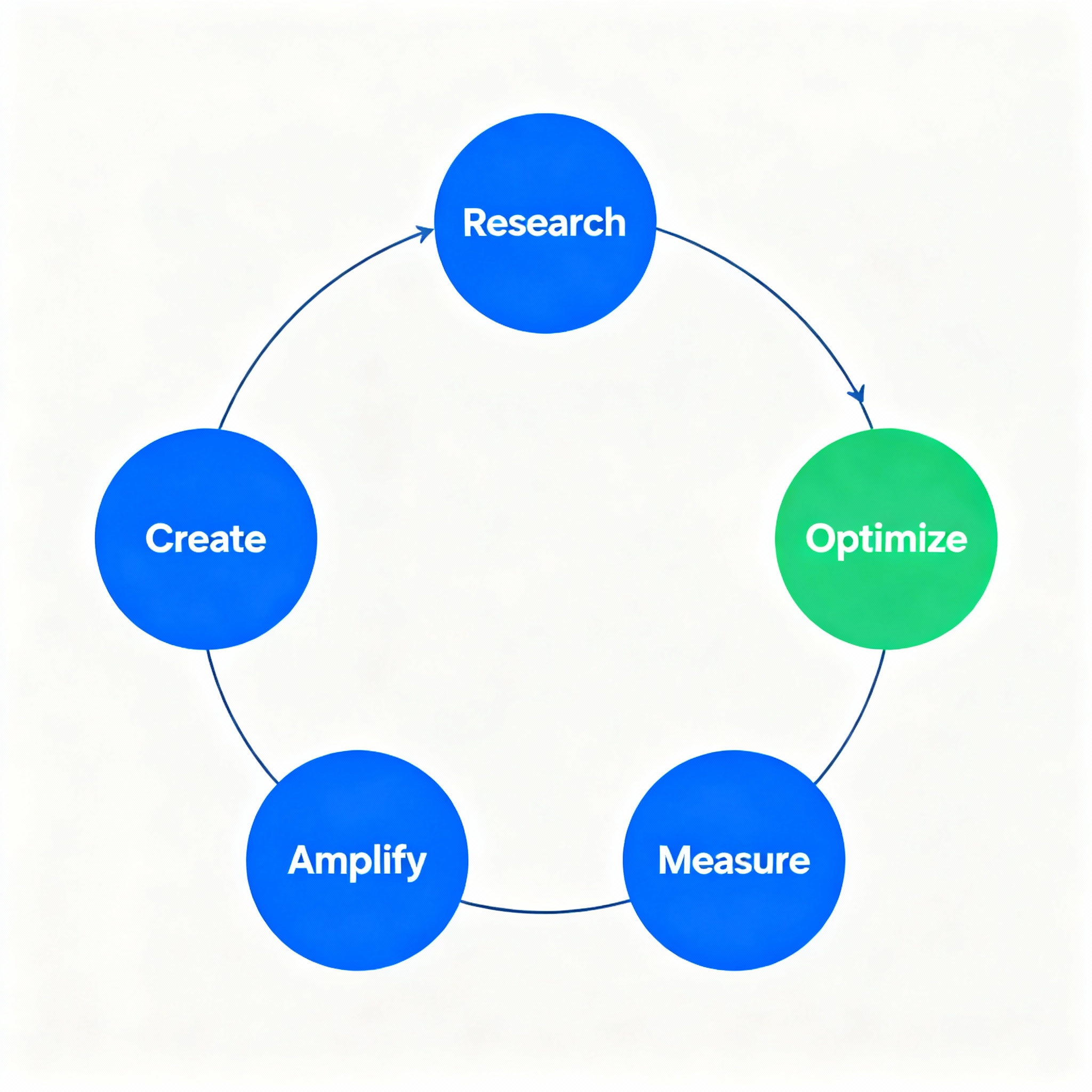
This article gives busy owners and marketing leads a tactical blueprint for turning content into leads: research the exact questions your prospects ask, produce targeted content mapped to the buyer journey, optimize for AI and local search, amplify with Google Ads and local listings, and measure signals that predict revenue. Use this with a website audit and Google Business Profile optimization for fastest wins. For reference on technical SEO basics, see Google's documentation on indexing and ranking: Google Search Central.
Why this works for professional services
Professional services sell trust more than widgets. Content builds trust before the first phone call. That matters especially for:
- Dental and medical practices that rely on local search and patient reviews. For local SEO tips see BrightLocal.
- Real estate teams where long buying cycles need consistent touchpoints.
- B2B service firms where decision makers value thought leadership and case studies.
Here is the thing, content is not a one-off. It is an asset you can repurpose across email, social, and paid channels to increase conversion rates and lower customer acquisition cost.
Step-by-step content framework
1. Research and positioning
- Map your audience segments, for example: new-patient seekers, referral partners, property sellers, or commercial clients.
- Run keyword research focused on intent, not just volume. Combine local modifiers like "Scottsdale" and service descriptors like "emergency dentist".
- Audit competitors and gaps in the buyer journey. Tools like Moz and HubSpot can help you surface content gaps. See Moz's guide to keyword research and HubSpot's content resources.
Actionable takeaway: build a 90-day content calendar where each piece has a primary keyword, target persona, page type, and success metric.
2. Content production and formats
- Prioritize high-impact pages first: service landing pages, procedure explainers, pricing guides, case studies, and FAQ pages.
- Mix formats: short how-to blog posts, long-form landing pages, video walkthroughs, and downloadable checklists.
- Use storytelling and patient or client examples to make content relatable. Tiny, specific anecdotes beat generic copy every time.
Production checklist:
- Outline with target keyword intent
- Add schema markup for FAQ or HowTo where relevant
- Include clear next steps and contact points
3. Technical SEO and AI search optimization
AI and generative engines reward content that answers context-rich queries. Focus on:
- Clear section headings and semantically organized content
- Structured data: FAQ, LocalBusiness, and Article schema
- Fast, accessible pages and mobile-first design
For technical requirements and best practices, consult Google Search Central. Optimize for Generative Engine Optimization by ensuring your content directly answers common questions, and includes concise summaries that an AI can surface as featured answers.
4. Distribution and paid amplification
Organic content alone takes time. Shorten the path to leads by:
- Running targeted Google Ads to high-intent landing pages, with call tracking and conversion-focused creatives. Learn about ad best practices on Google Ads Help.
- Retargeting site visitors with tailored messaging based on the page they visited.
- Reusing content in email sequences and localized social posts.
Budget tip: start with a small daily ad spend directed at 1 or 2 high-converting pages, then scale to more topics once ROAS is proven.
5. Measurement and iteration
Track both micro and macro conversions. Important metrics:
- Phone calls and appointment bookings
- Assisted conversions and time to conversion
- Organic traffic growth for target topics
- Lead quality and cost per lead from paid channels
Use these signals to prune or refresh content every 90 days. If a page gets traffic but no leads, improve calls to action and trust signals like reviews and case studies.
Mini case study
A dental practice in Maricopa County updated three service pages with targeted FAQs and local schema. After republishing and running a four-week Google Ads test to those pages, calls increased 26 percent and cost per lead fell by 18 percent. The business then used the best-performing pages in a remarketing funnel to convert more first-time visitors.
FAQ
Q: How long before content starts generating leads?
A: Expect early organic signs in 6 to 12 weeks for local queries, and 3 to 6 months for broader topics. Paid promotion can produce leads within days.
Q: Do I need to hire a writer or can I do it in-house?
A: If you have subject matter experts, pair them with a skilled writer or editor. Consistency and clarity matter more than perfection.
Q: How does AI SEO differ from classic SEO?
A: AI SEO emphasizes clear answers, structured data, and content that maps to user questions so generative systems can surface it more easily.
Q: What metrics should I prioritize first?
A: For service businesses, phone calls, appointment bookings, and form submissions matter most. Track assisted conversions too.
Q: How should I price content production?
A: Start with a pilot: one service page and two blog posts. Measure CPL and plan monthly production once you see positive ROI.
Next steps that actually move the needle
If you want a focused audit and a 90-day plan tailored to your market in Scottsdale or Phoenix, you can get a practical action plan that covers website SEO, Google Business Profile, and an initial Google Ads test. Partnering with an agency that understands both local SEO and paid search shortens the learning curve.
BeMoDesign can help you audit your site, optimize local listings, and run targeted Google Ads with conversion tracking. Book a short strategy call to get a prioritized plan based on your goals.
Conclusion
Content marketing for professional services is not magic. It is research, helpful content, technical polish, and disciplined measurement. Start with the pages that mirror real buying decisions, optimize them for local and AI search, test paid amplification, and iterate based on real lead data. Do that consistently, and your website becomes your top salesperson.
Structured data (Article schema)
{
  "@context": "https://schema.org",
  "@type": "Article",
  "headline": "Effective Content Marketing Strategy for Professional Services",
  "description": "A practical playbook for small and mid-sized professional service firms combining SEO, AI optimization, and Google Ads to drive leads and ROI.",
  "author": {
    "@type": "Person",
    "name": "BeMoDesign Marketing Team"
  },
  "publisher": {
    "@type": "Organization",
    "name": "BeMoDesign",
    "url": "https://bemodesign.com/"
  },
  "datePublished": "2025-10-20"
}
Note: I attempted to locate bemodesign.com sitemap files at /sitemap.xml, /sitemap_index.xml, and /wp-sitemap.xml and checked robots.txt, but I could not access those paths during preparation. Because I could not confirm a sitemap, I did not include internal links. If you want, I can fetch and add 3 to 5 contextually relevant internal links from your sitemap next.