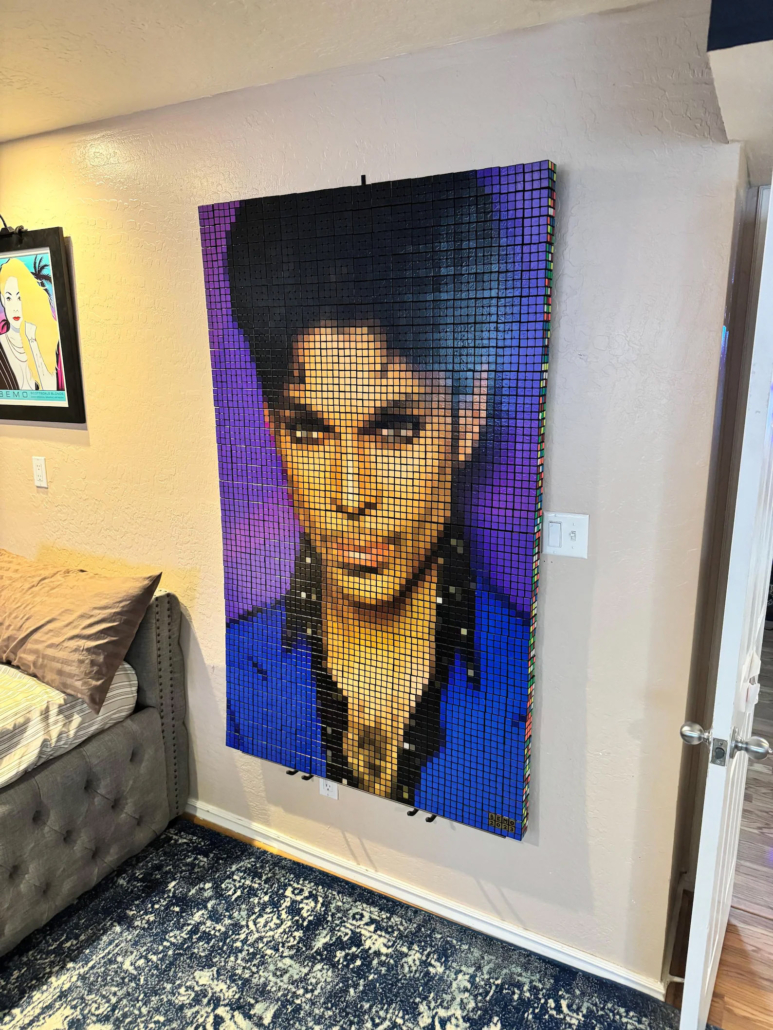
A piece near entry can establish the mood; one in a gathering space can become a meeting point. Consider how the crowd arrives, queues and moves between activities. The artwork should support that journey without obstructing access, emergency routes or staff operations.
02
Make the idea belong to the venue.
An original visual story, performer-inspired concept or interpretation of the venue’s identity can offer more lasting character than a temporary promotional graphic. Distinguish permanent art from event signage and discuss any required rights for performers, brands or entertainment references.
03
Design for the actual operating conditions.
Crowd contact, changing light, cleaning, vibration and delivery access are part of the brief. The proposed material and support system must suit the selected location. Outdoor or interactive use requires separate assessment; a concept image is not evidence that a particular construction is suitable.
Bring the plans, audience, schedule and responsible site contact. Brian can then explore a visual direction and realistic scope with your team.
YOUR PROJECT
Tell Brian what you have in mind.
Share the subject, approximate dimensions, display location and timing in the existing inquiry form. Mention that your project is an art commission. Brian will discuss the idea, current availability and the appropriate next step before a scope is agreed.
An interactive concept can be discussed, but touch, moving components, durability and public safety require their own design and review. Standard display artwork should not be assumed to be interactive.
What should I send first?
Start with the subject or idea, approximate dimensions, a description of the space, your location and desired timing. Brian can explain which reference images or site details will help next.
Independent artwork by Brian Bemo. No affiliation with or endorsement by depicted artists, estates or brands is implied. Commercial and room mockups are concepts where labeled.