Quick Guide to AI Search Optimization: Local SEO, GEO, and PPC
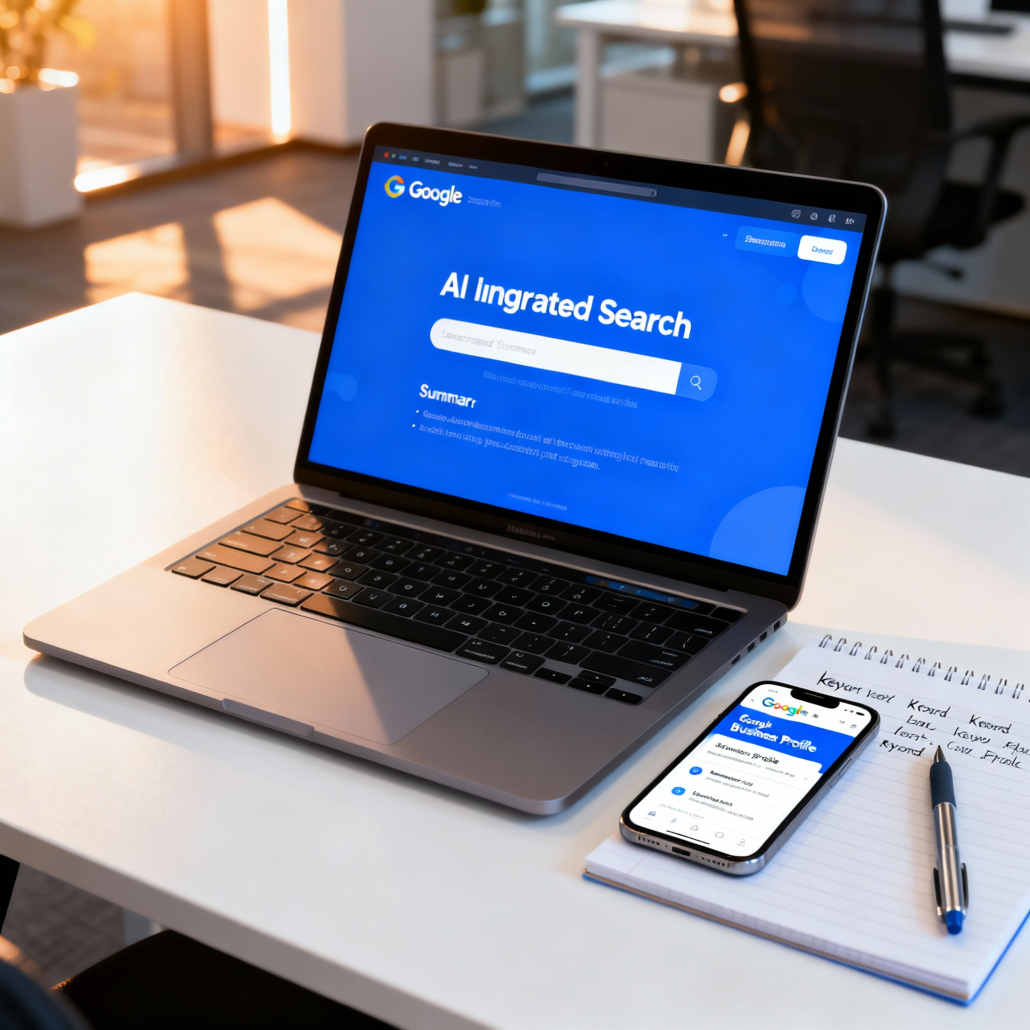
Everyone says SEO is dead, but not for businesses that adapt fast. Picture this: a Scottsdale dental clinic gets fewer clicks, yet more appointments, because an AI answer cited their FAQ page directly. That can happen to you too. This quick guide to ai search optimization explains practical steps for small to mid-sized businesses, professional service providers, and established brands like dental and medical practices, real estate companies, and local service businesses in Scottsdale, Phoenix, and Maricopa County that want better visibility and higher ROI from Google Ads and organic traffic. It also pulls in Day 13 content for EARLY stage business thinking, so you get fast, tactical wins.
Quick Guide to AI Search Optimization: Core Concepts
Why this matters now
- Big change, simple outcome. Search is moving from lists of blue links to synthesized answers, and those answers can cite websites directly, reducing clicks but increasing the value of being cited. See recent reporting on Google's AI search experiments. Reuters and analysis of AI summaries. The Verge
- Local intent is still gold. Many searches have local intent, and a high share of local searches convert quickly, so local businesses can win fast by optimizing core signals. See BrightLocal research for consumer behavior and local search stats. BrightLocal Local Consumer Review Survey.
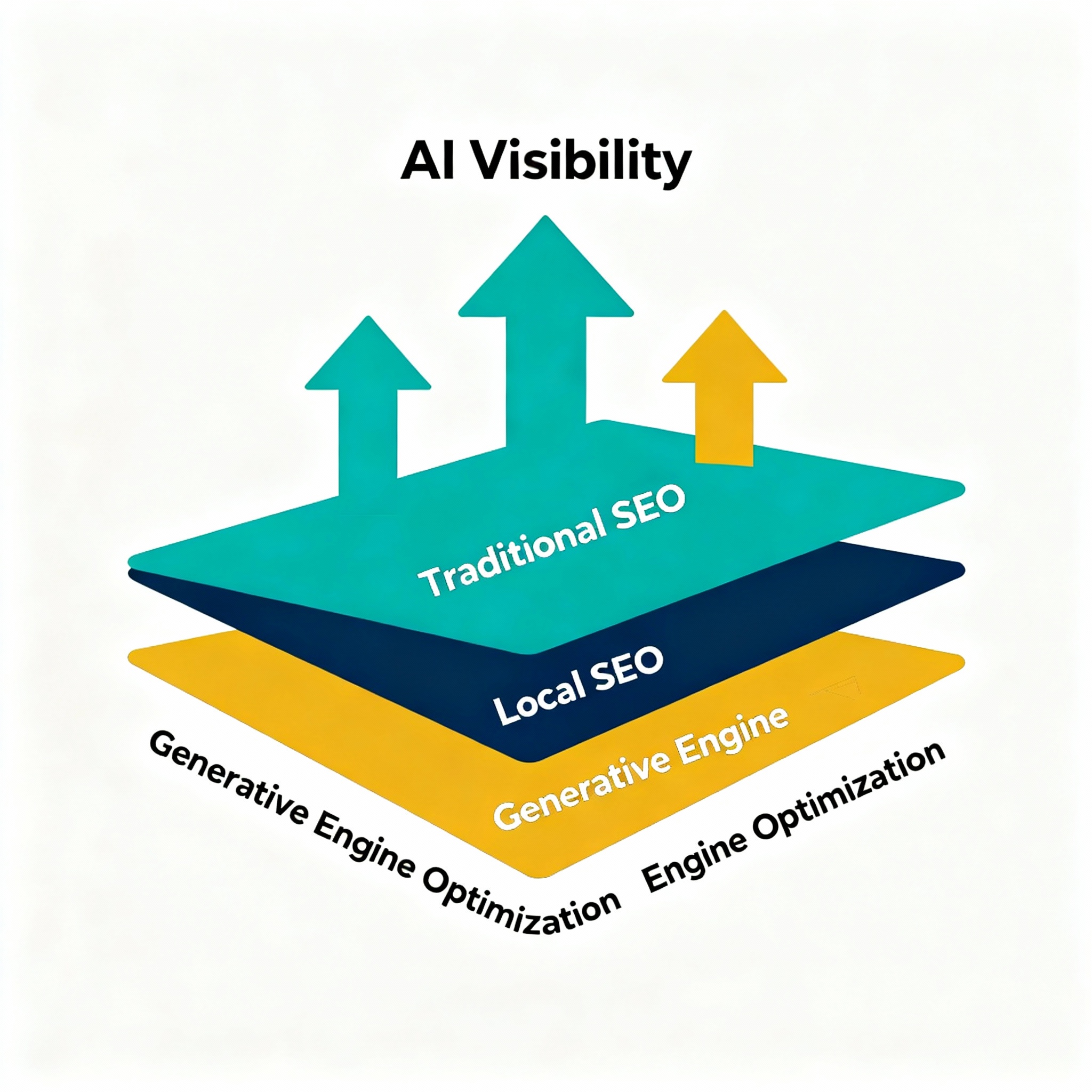
- Generative Engine Optimization, or GEO, is the new complement to SEO. GEO focuses on being cited and used in AI answers, which often prefer authoritative, third-party referenced content. Read coverage and early research on GEO. GEO research and discussion and commentary on generative search risks. The Guardian.
Here's the thing, you still need fundamentals. AI adds a new layer but does not replace strong content, accurate local listings, or good ad management. Google also expects people-first helpful content, so follow their guidance on helpful content and quality signals. Google Search Central: Helpful Content
Quick 7-Step Checklist You Can Implement This Week
Claim and optimize your Google Business Profile, fully.
- Use up-to-date hours, services, photos, and weekly posts.
- Confirm categories, service areas, and appointment links.
- Need help or to escalate issues? Use Google Business Profile support. Google Business Profile help
Make answers scannable for generative engines.
- Add clear, short Q and A sections and FAQ schema on service pages.
- Use concise lead answers then expand with detail. That structure is exactly what AI answers like to cite.
Use structured data and accuracy signals.
- Add LocalBusiness, Service, FAQ, and HowTo schema where relevant.
- Ensure NAP is consistent across site and directories.
Publish fact-backed, experience-led content.
- Use first-hand experience notes on service pages, like treatment steps or case summaries for dental practices.
- Cite reputable third-party sources when making claims, because generative engines look for justifications.
Build earned media and citations.
- Press mentions, local news, professional directories, and guest posts increase the chance AI systems will surface you.
- GEO favors authoritative, third-party references over self-published pages alone. Read why GEO matters. GEO primer
Tune Google Ads and PPC to capture intent AI might not show.
- Bid on high-intent local keywords, use call and direction extensions, and measure conversions by appointment bookings and calls.
Monitor AI citations and traffic signals.
- Track changes in clicks, impressions, and whether traffic drops while conversions rise. Use Google Search Console and local analytics to detect shifts.
- Google Search Console and standard webmaster tools remain vital. Google Search Console Overview
Local and GEO Tactics That Work for Scottsdale, Phoenix, and Maricopa County Businesses
Dental, medical, real estate, and local services
- Service-specific FAQ pages: write questions patients or clients actually ask, then answer them clearly. AI loves a short, correct block of text it can quote.
- Location granular pages: one page per neighborhood or service area with unique photos and testimonials.
- Reviews strategy: ask for reviews with specific keywords about service and location, then reply promptly. BrightLocal research shows reviews strongly influence local trust and conversions. BrightLocal research
Mini case: A dental office in Phoenix added a "What to expect on your first implant visit" FAQ with schema and saw its booking calls increase, even as organic clicks stayed flat. Why? AI answers cited the page as an authoritative quick guide, driving higher-quality interest.
Content, PR, and Schema: How to Make AI Pick Your Pages
- Start each FAQ and service section with a one-sentence summary, then expand. Keep the summary focused and factual.
- Include clear citations to reputable third-party content when you make clinical or legal claims. That gives AI models an easier path to justify citing you.
- Use markup: FAQ schema, LocalBusiness, BreadcrumbList, and Organization schema increase your chance of being interpreted correctly by both search engines and generative systems.
Ads, Conversion Optimization, and Measurement
- Expect AI answers to reduce some click volume. Compensate by tracking conversions not clicks. Measure calls, form fills, and booked appointments.
- Use ad extensions such as callouts, sitelinks, call, and location to remain visible when AI reduces organic exposure.
- Run experiments. If AI summaries appear for important queries, test adjusted landing pages that are more scannable and include the exact language used in your FAQ.
Tools and Resources
- Google Business Profile help and support. Google Business Profile help
- Google Search Console for query data and indexing. Google Search Console
- BrightLocal research for local search behavior and review insights. BrightLocal Local Consumer Review Survey
- Coverage on generative search and GEO trends. The Guardian on AI search and GEO
- If you want to read deeper on GEO research, see academic work on generative engine optimization. GEO research paper

Common Objections and How to Answer Them
- "AI will kill my website traffic." Maybe not. Traffic patterns will shift, but being cited by an AI can still lead to bookings and calls. Focus on conversion metrics, not just clicks.
- "Is this just SEO rebranded?" Not exactly. GEO requires more earned media and machine-scannable justifications, but traditional SEO technical work and content quality still matter.
- "I do not have time." Start with the highest-impact wins: Google Business Profile, one FAQ with schema, and a review outreach process. Those three often move the needle for local businesses quickly.
Quick Action Plan for the Next 30 Days
Week 1: Claim and complete your Google Business Profile, add fresh photos, and publish one post.
Week 2: Add an FAQ block with FAQ schema to one high-intent service page.
Week 3: Run a local PR outreach email to one neighborhood newsletter or local paper, and request one or two authoritative citations.
Week 4: Review Search Console, track queries that trigger AI summaries, and tweak your lead sentence on pages that matter.
Conclusion and Next Steps
Generative AI is changing how people find answers, but for local businesses and service providers in Scottsdale, Phoenix, and across Maricopa County, this change creates opportunity, not doom. Keep doing the fundamentals, add GEO-friendly signals like scannable FAQ schema and earned media, and measure conversions over clicks. If you want, I can audit one page and show you a 30-day plan tailored to your practice or business. Want to start with your Google Business Profile and one FAQ page? Let’s do it.