Modern Corporate Web Design Trends 2024: AI, Performance, and UX

![Featured image placeholder]
Picture this: you wake up, check local leads from yesterday, and realize your shiny site is losing traffic because it feels slow and generic. Small wins used to come from a new homepage hero image, now they come from AI-driven personalization, razor-sharp performance metrics, and a site that actually converts visitors into booked appointments. For many small to mid-sized businesses, professional services, and established brands — dental and medical practices, real estate companies, and local service businesses across Scottsdale, Phoenix, and Maricopa County — the web is where trust is earned and revenue is made.
Modern Corporate Web Design Trends 2024 are not just pretty pixels. They are measurable shifts in architecture, UX, and search visibility that directly affect leads and ROI for businesses that rely on local demand. Day 5 insights for early-stage businesses make this clear: prioritize speed, clarity, and conversion before bells and whistles.
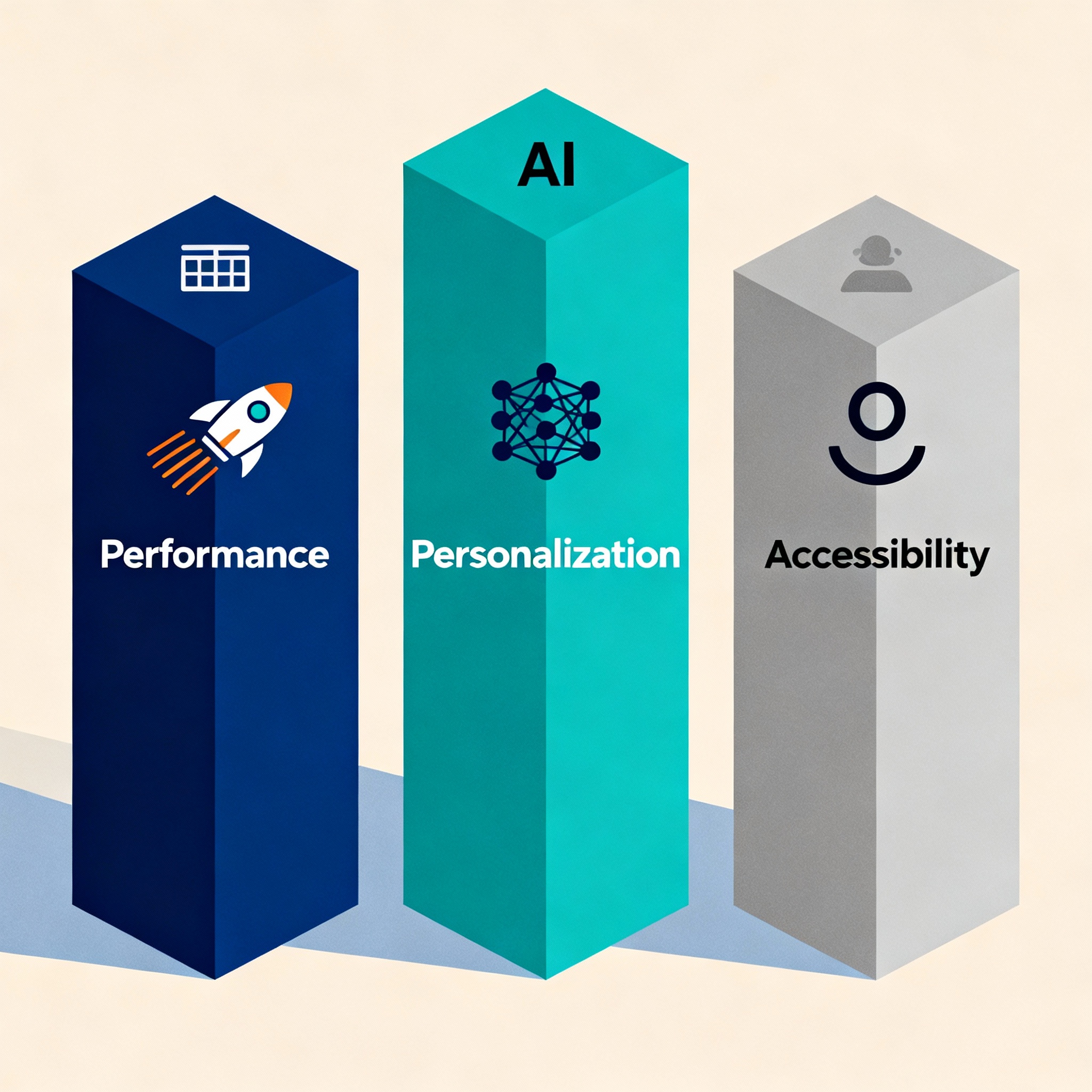
Modern Corporate Web Design Trends 2024: What To Watch
These are the trends shaping corporate sites in 2024, and they directly tie to SEO, AI search optimization, Generative Engine Optimization, and Google Ads performance.
1. Performance First, Measured by Core Web Vitals
- Google replaced FID with INP as a Core Web Vital in March 2024, so responsiveness across interaction lifecycles now matters more than ever for page experience and user satisfaction. See Google’s announcement for details. Google Search Central: Introducing INP to Core Web Vitals.
- Actionable takeaway: treat Largest Contentful Paint, Cumulative Layout Shift, and INP as KPIs. Optimize images, defer noncritical scripts, and use edge CDNs to lower load times.
- Why it matters for you: faster pages improve conversions for appointment forms and lead capture, and they help with organic visibility on Google.
2. AI-Driven Personalization and Content Generation
- AI personalization is now mainstream in digital experiences, powering tailored content, dynamic CTAs, and smarter search on site, which boosts engagement and conversion. Industry research shows personalization is a high priority for marketers and influences buyer behavior. For industry context, see the Adobe and Econsultancy findings summarized by eMarketer. eMarketer coverage of Adobe/Econsultancy personalization.
- Practical uses for SMBs: dynamic landing pages for zip-code level services, AI-suggested FAQ answers for dental and medical intake pages, and personalized ad-to-page matching for Google Ads landing optimization.
- Caution: balance personalization with privacy and clear consent management.
3. Jamstack, Headless CMS, and Composable Architectures
- Decoupled front-ends and headless CMS workflows remain popular for performance, security, and speed to market. Netlify and similar platforms show the business case for Jamstack in delivering fast, scalable sites. Netlify: Welcome to the Jamstack.
- For marketers: headless CMS makes it easier to deliver localized content, run A B tests, and feed generative AI with structured content.
- Implementation tip: pick a headless CMS that gives marketing teams visual editing without slowing development cycles.
4. Accessibility and Inclusive Design, Non-Negotiable
- Accessibility is both ethical and practical. WCAG compliance plus inclusive UX increases market reach and reduces legal risk. Make contrast, keyboard navigation, and semantic HTML priorities.
- Quick wins: accessible form labels, logical heading structures, and transcripts for video content.
5. Micro-Interactions, Motion, and Subtle UX Animation
- Small, purposeful animations guide users and improve perceived quality without sacrificing performance. Think button micro-animations, smart loading states, and helpful hover cues.
- Keep animations reduced-motion friendly and ensure they don’t impact Core Web Vitals.
6. Visual Trends: Dark Mode, Minimalism, and Neo-Brutalism
- Clean, bold interfaces and optional dark themes are common, with many award-winning designs balancing aesthetics and usability. Resources that showcase these design directions include Awwwards and Smashing Magazine. Awwwards Design Trends, Smashing Magazine Web Design coverage.
- For professional services: prefer clarity and trust signals over experimental visuals, unless your brand personality supports edgier styles.
7. Immersive Experiences, 3D, and AR for Differentiation
- 3D and WebGL can create memorable product showcases or virtual tours for real estate and premium practice pages, when used sparingly and optimized carefully.
- Use progressive enhancement so the experience degrades gracefully on less capable devices.
8. Sustainability, Privacy, and Clean Data Practices
- Sustainable web design means smaller assets, fewer unnecessary third-party scripts, and thoughtful hosting choices. This reduces costs and environmental impact while improving speed.
- Privacy-first design improves trust, and good data hygiene supports personalized experiences without exposure to compliance risk.
Design + SEO + Ads: Tying Trends to Business Outcomes
UX That Converts: Structure for Both Humans and Search
- Use clear service pages, schema markup for local business and medical/dental services, and fast-loading location pages to win local queries and reduce Google Ads cost per conversion.
- Local SEO matters for clinics and real estate. Optimize Google Business Profile, ensure NAP consistency, and build landing pages for targeted neighborhoods.
Generative Engine Optimization and AI SEO
- Treat AI-powered search as an opportunity. Create helpful, original content that AI and people prefer, and avoid scaled low-value pages that search engines may devalue. Google’s broader search updates in 2024 reinforced people-first content signals. Google Search Central: August 2024 core update context.
PPC and Landing Page Alignment
- When your Google Ads click lands on a page that looks, speaks, and converts for the visitor, Quality Score and conversion rates improve. Use AI to generate headline variants and run rapid A B testing to lower CPA.
Practical Checklist for Scottsdale, Phoenix, and Local Businesses
- Audit Core Web Vitals and fix INP hotspots first. Use PageSpeed Insights and Search Console. PageSpeed and INP guidance from Google.
- Use headless CMS or a fast managed platform so marketing can iterate without dev bottlenecks, while developers keep performance high. Netlify Jamstack overview.
- Localize pages: dedicated pages for neighborhoods or ZIP codes, with clear CTAs and local schema, to boost GEO AI SEO and Google Business Profile signals.
- Add personalization where it moves the needle: show relevant services, nearby office hours, or local agent contact based on geolocation or campaign.
- Keep accessibility and privacy in the launch checklist.
Mini Case Example
A dental clinic in central Phoenix replaced a heavy WordPress theme with a Jamstack front end and a headless CMS. They optimized images, moved third-party scripts to async, and localized landing pages for Scottsdale and Tempe. Result, within three months: a 28 percent improvement in mobile LCP, a 22 percent increase in form completions, and a 15 percent drop in paid search CPA, after aligning landing pages to ad groups.
Tools and Resources
- Performance testing: Google PageSpeed Insights, Lighthouse
- Jamstack hosting: Netlify, Vercel
- Headless CMS: Sanity, Contentful, Storyblok
- Design inspiration and trends: Awwwards, Smashing Magazine
Conclusion and Next Steps
Here’s the thing, you don’t need to chase every shiny trend. Start with performance, local relevance, and usability, then add AI personalization and composable architecture as you scale. For small to mid-sized businesses and local service providers in Scottsdale, Phoenix, and Maricopa County, a focus on Core Web Vitals, local SEO, and conversion-focused design will deliver the fastest ROI.
Want help auditing your site and building a prioritized roadmap? I can outline a Day 5, 30-60-90 plan that balances speed, local visibility, and conversion optimization. Let me know what platform your site runs on, and I will suggest the first three fixes you should deploy.