Prince Rubik’s Cube Mosaic Art: From Cubes to Cultural Portraits
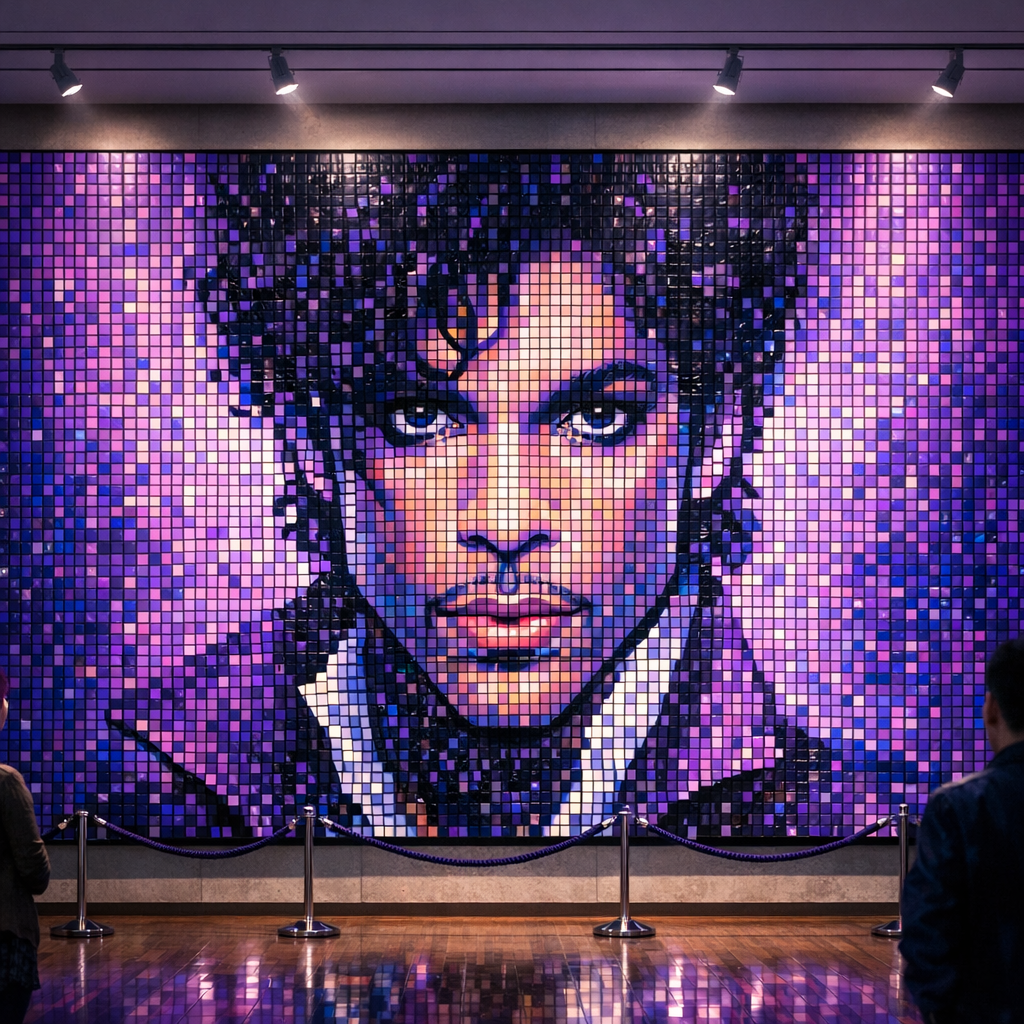
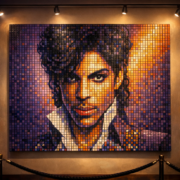
Prince’s image rendered in tiny, colorful cubes looks like a paradox, emotional and mechanical at once. The work draws people in because it mixes nostalgia, pop culture, and obsessive craft. In this article you’ll get a clear look at how Prince Rubik’s Cube mosaic art is made, why it resonates, and how artists turn a toy into large-scale portraiture.
Why Rubik’s Cube Mosaics Captivate
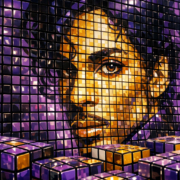
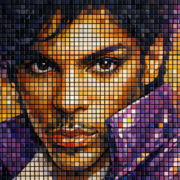
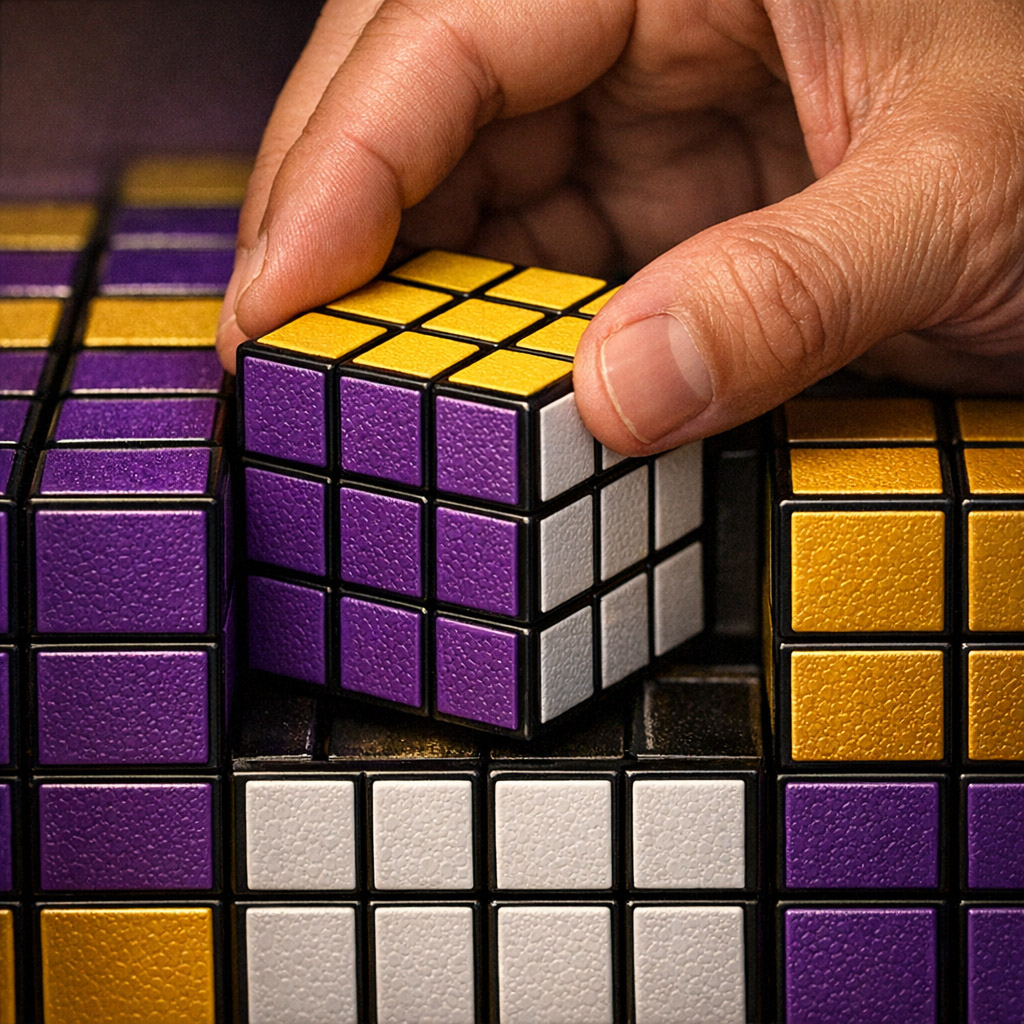
Rubik’s Cube mosaics feel familiar yet extraordinary. Each cube is like a pixel, and when thousands line up, they form a face, a scene, or a brand logo. For a subject like Prince, whose persona is all about color, style, and emotion, the cube medium is almost perfect. It adds a playful counterpoint to the seriousness of portraiture, and it makes viewers want to step closer, to count the cubes, to appreciate the labor.
The emotional and visual appeal
- Instant nostalgia, because the Rubik’s Cube is a childhood icon.
- High contrast and saturated color make features pop from distance.
- Up-close, the grid reveals meticulous craft, which builds respect for the maker.
The technical challenge
Mosaic artists must plan color, scale, and perspective. Cubes limit the palette to six colors per face, so artists often rotate cubes, use partial faces, or create optical mixing where adjacent colors trick the eye into gradients. The result is a readable image from afar, and a rich texture up close.
How Artists Build a Prince Mosaic
Creating a Prince portrait from Rubik’s Cubes follows predictable steps, but each artist adds personal technique.
Concept and reference
Artists start with a high-contrast photo of Prince, usually retouched to emphasize features. They reduce that image into a lower-resolution grid, which becomes the blueprint for cube placement.
Color mapping and cube rotation
Because each cube shows only part of its available colors depending on orientation, artists plan rotations to maximize visible hues. This requires understanding the cube’s geometry, and sometimes using custom stickers to expand the palette.
Assembly and installation
Large mosaics may be assembled on modular panels or directly on mounts for gallery display. Precision is key, many artists use alignment grids and clamps to keep rows straight. The finished piece is often sealed or framed for protection.
Tools, Materials, and Time
- Standard 3×3 Rubik’s Cubes, often thousands for a full-size portrait.
- Workbench, grid panels, and lighting to ensure consistent placement.
- Software to convert images into cube grids and color maps.
- Time can range from dozens to hundreds of hours depending on size.
Notable Variations and Creative Twists
Artists experiment by mixing original cubes with stickered cubes for more colors, using mirrored cubes for highlights, or integrating other small objects to create hybrid mosaics. Some installations add lighting or motion to change appearance from different angles.
Why Prince Works as a Subject
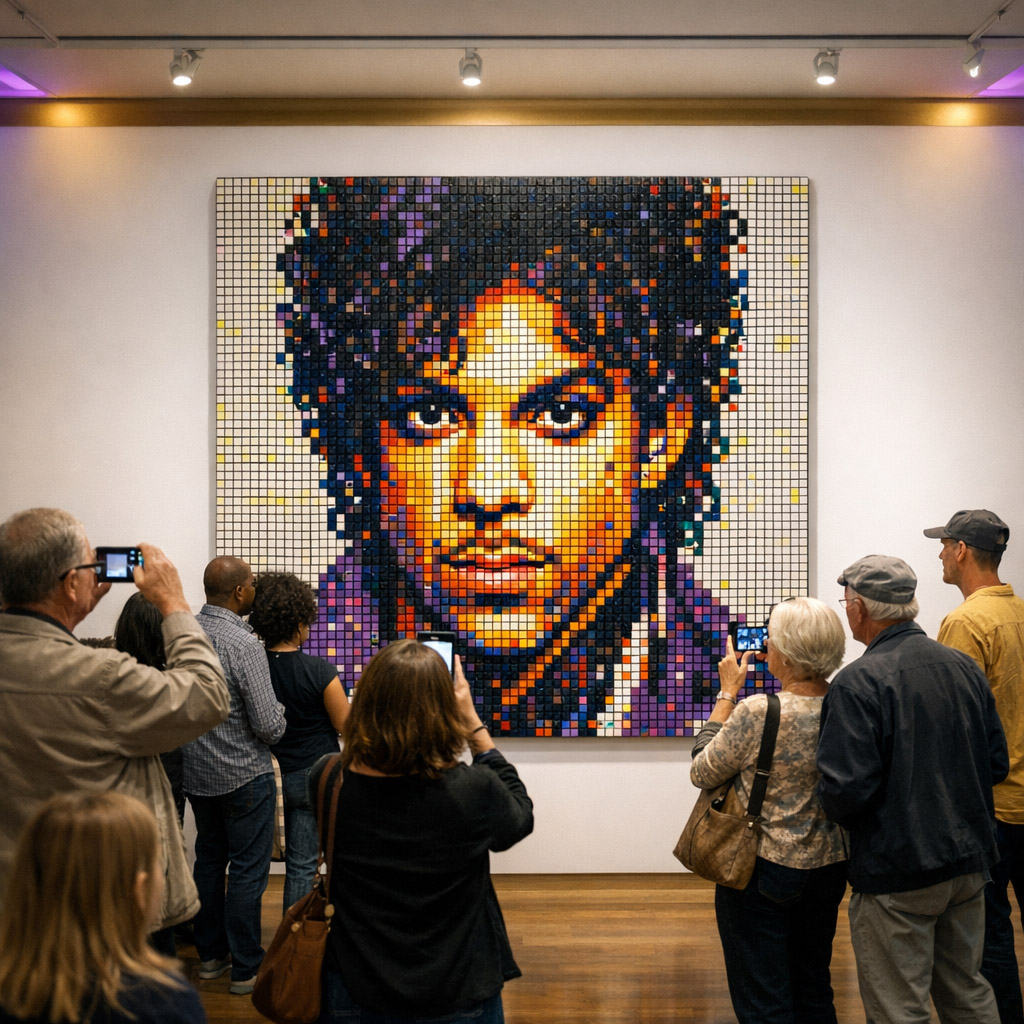
Prince’s striking profile, iconic hair and makeup, and his association with vivid purples make his likeness perfect for cube mosaics. The combination of color symbolism and celebrity recognition helps viewers immediately connect with the piece even when seen from a distance.
Where Rubik’s Cube Mosaic Art Lives Today
These mosaics show up in galleries, music events, brand activations, and social media. They work for public art because they photograph well at scale and invite interaction. If you’re a brand or gallery thinking about commissioning cube art, expect high social engagement and strong visual presence.
How This Relates to Visual Marketing and Local Design
Here’s the thing, visual storytelling matters to local businesses too. Bold, tactile artwork like cube mosaics teaches us to think in dozens of small choices that form one big impression. For companies in Scottsdale and Phoenix, distinctive visuals can make your brand memorable in search results, social feeds, and walk-in traffic.
Summary
Rubik’s Cube mosaics combine craft, color, and cultural recognition to create striking portraits and installations. A Prince mosaic in particular leverages bold color and iconic imagery to produce emotional impact and shareable visuals.
Frequently Asked Questions
How many Rubik’s Cubes does a portrait of Prince usually require?
A medium portrait can use 2,000 to 5,000 cubes, while gallery-scale works often use 8,000 to 20,000 cubes depending on resolution and size.
Can artists use modified cubes to get more colors?
Yes, some artists use custom stickers or specialty cubes to expand the visible palette and fine-tune skin tones or clothing details.
How long does a large mosaic take to build?
Projects can take from a few weeks to several months. Planning and mapping take substantial time, as does the assembly phase.
Are Rubik’s Cube mosaics durable for public installations?
With proper mounting, sealing, and environmental protection, cube mosaics can last for years. Indoor gallery installations last longest.
How much does a commissioned mosaic cost?
Cost varies widely, depending on cube count, artist skill, and installation complexity. Expect a range from several thousand to tens of thousands of dollars.
Want a Visual or Brand Activation Like This?
If you’re considering bold visual marketing or an attention-grabbing installation for your practice, clinic, or storefront, a custom art piece can elevate your brand presence. For local design and digital marketing that turns attention into customers, contact Bemo Design.
For a free consultation, call (480) 600-2477 or Book a Call with Bemo. Run a free audit to see how your visual branding and SEO perform, try the AI SEO Audit.
Conclusion
Prince Rubik’s Cube mosaic art is more than novelty. It is disciplined craft that translates color theory, portraiture, and cultural memory into a format that commands attention. Whether you love the laborious process or the final photo-ready result, cube mosaics teach valuable lessons about composition and brand storytelling. If you want help turning bold visuals into measurable marketing gains, Bemo Design can help you plan, promote, and profit from distinctive creative work.
About Bemo Design
Bemo Design is a Scottsdale-based marketing agency led by Brian Bemo, delivering high-impact SEO, Google Ads, and AI-powered marketing strategies for businesses of all sizes. With over 25 years of experience, Bemo Design helps companies grow through trusted, hands-on service, transparent communication, and measurable results.
We specialize in helping Arizona businesses dominate online search and future-proof their visibility across Google, Bing, and AI-driven platforms like ChatGPT and Google SGE.
Our Top Services:
- SEO Services – Proven strategies to increase visibility and attract high-intent customers.
- GEO AI SEO – Generative Engine Optimization for ChatGPT, Google SGE, and AI-driven search results.
- Google Ads Management – Precision-targeted campaigns designed for conversions and ROI.
- Web Design – AI-optimized, mobile-friendly WordPress sites built to perform.
- Website Redesign – Modern updates that improve performance, SEO, and conversions.
- Logo Design & Branding – Visual identity that builds trust and recognition.
- Graphic Design & Print – High-quality creative design for web and print materials.
Ready to Grow?
📞 Call (480) 600-2477 or Book a Call with Bemo to get started.
You can also run a Free AI SEO Audit to see how your website ranks and what opportunities you’re missing.