Best Content Marketing Strategies for Real Estate Pro Guide
Real estate moves fast, and so does buyer attention. If you want consistent leads and more closed deals, you need content that attracts, educates, and converts at every stage of the buyer journey. That starts with a repeatable plan that turns listings into stories, traffic into qualified leads, and local interest into signed contracts.
In this post I’ll show practical, high-impact approaches you can implement this week. I’ll also explain how to measure results and scale what works. Ready to cut through the noise? Let’s get practical about the best content marketing strategies for real estate and how they drive measurable growth.

Why content marketing matters for real estate
Buyers start online. Recent industry reports show the majority of home searches begin on the internet, and photos, detailed descriptions, and virtual tours rank among the most valuable site features. That means the quality of your content directly affects whether buyers call, book a showing, or keep scrolling. Content cuts acquisition costs, builds trust, and positions you as the local expert in a crowded market.
Here’s the thing, good content doesn’t happen by accident. It’s a system. You need a content engine that creates consistent listings, neighborhood guides, video tours, and lead magnets, then distributes them where buyers actually look.
Core content strategies that work for real estate
1) Listing content that converts
- Use professional photography and short video tours for every listing. Buyers expect rich media now, and listings with strong visual assets get more views and showings.
- Write benefit-driven property descriptions that answer buyer questions, highlight lifestyle features, and include clear next steps.
- Create dedicated landing pages for premium listings to capture lead info and track interest.
2) Neighborhood content to own local search
- Publish neighborhood guides that cover schools, commute times, dining, parks, and nearby amenities. People search by community, not just ZIP codes.
- Produce comparative posts like “Town A vs Town B for families,” and include local statistics and maps.
- Use long-form pages to rank for local keywords and feed Google Business Profile content.
3) Video marketing and short-form social
- Create 60–90 second property highlights for Instagram Reels, TikTok, and YouTube Shorts. Short video drives discovery and engagement.
- Host full walkthroughs on YouTube with timestamps for key rooms and features. YouTube search is a powerful discovery channel for buyers.
- Repurpose one video into clips, stills, and quote cards for cross-platform reach.
4) Educational content that builds trust
- Publish blog posts, checklists, and guides that answer common buyer and seller questions: financing, inspection tips, staging checklists, and closing timelines.
- Create downloadable lead magnets like a “First-Time Buyer Roadmap” to move visitors into your nurture funnel.
- Run targeted email sequences that educate leads and guide them to book showings or valuations.
5) SEO-first content production
- Build pillar pages around high-intent topics like “homes for sale in [Neighborhood]” and link detailed blog posts back to them.
- Optimize pages for schema, fast loading, mobile friendliness, and local signals to improve visibility in Google and AI-driven search.
- Use local keyword variations: real estate content strategy, Scottsdale real estate marketing, neighborhood homes for sale.
6) Paid amplification to accelerate results
- Use Google Ads for high-intent queries and retargeting to capture visitors who didn’t convert.
- Promote high-performing video and listing posts on Facebook and Instagram to expand reach among local buyers.
- Combine organic SEO with targeted PPC to dominate both paid and organic SERP real estate results.
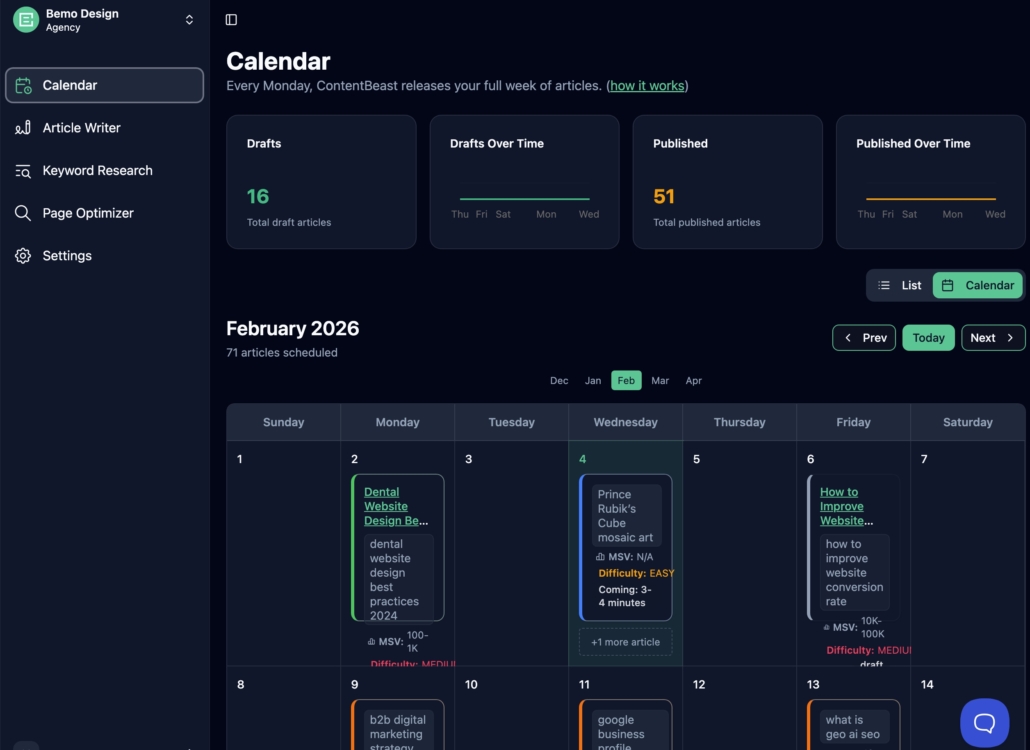
How to structure your content calendar
- Weekly: 1–2 short videos and 1 social post per listing.
- Biweekly: 1 long-form blog or neighborhood guide.
- Monthly: 1 downloadable lead magnet and an email nurture sequence.
Track performance with clear KPIs, such as organic traffic, lead conversion rate, cost per lead, and showings booked per campaign.
Measurement and optimization
- Use Google Analytics and search console to track organic visibility and user behavior.
- Test CTAs, landing page designs, and lead magnets to improve conversion rates.
- Scale channels that produce the lowest cost per qualified lead, whether that’s YouTube, SEO, or paid search.
Quick tactical checklist you can use today
- Publish a neighborhood guide optimized for local keywords.
- Record a 60-second listing highlight and publish as a short video.
- Create a downloadable buyer checklist and add it to your website behind a simple lead form.
- Run a small Google Ads test campaign targeting “homes for sale in [Your City]” with a buy-now landing page.
Summary
Content marketing for real estate is about creating value at every stage of the buyer journey. Focus on high-quality listing assets, neighborhood authority content, short-form video, and lead-generating educational offers. Measure everything, iterate fast, and combine SEO with paid promotion to scale leads and listings.
Frequently Asked Questions
What types of content get the most leads for real estate?
Video tours, high-quality photo galleries, and neighborhood guides typically generate the most buyer interest. Follow those with downloadable guides to capture lead contact information.
How often should I publish blog posts and videos?
Aim for a consistent schedule you can maintain. For many real estate teams, that means weekly short videos and one in-depth blog or neighborhood guide every two weeks.
Should I invest in professional photography for every listing?
Yes. Professional photos and a short video improve listing views, showings, and perceived value. The cost often pays back through faster sales and higher offers.
How do I rank my neighborhood pages on Google?
Create comprehensive, locally focused content, use on-page SEO best practices, add schema where relevant, and build internal links from your blog and listing pages.
Can paid ads replace organic content?
Paid ads accelerate visibility but do not replace organic content. The best strategy combines both, using paid to amplify top-performing content while organic builds long-term authority.
How do I measure ROI on content marketing?
Track leads by source, cost per lead for paid channels, and conversion rates from content landing pages to showings and sales. Use these metrics to allocate budget to the highest-performing tactics.
Ready to Grow Your Real Estate Leads?
If you want a hands-on plan tailored to your market, call Bemo Design for a free consult. 📞 Call (480) 600-2477 or Book a Call with Bemo. Run a free audit to see immediate GEO AI SEO opportunities with a Free AI SEO Audit at https://bemodesign.com/free-geo-ai-seo-audit/.
About Bemo Design
Bemo Design is a Scottsdale-based marketing agency led by Brian Bemo, delivering high-impact SEO, Google Ads, and AI-powered marketing strategies for businesses of all sizes. With over 25 years of experience, Bemo Design helps companies grow through trusted, hands-on service, transparent communication, and measurable results.
We specialize in helping Arizona businesses dominate online search and future-proof their visibility across Google, Bing, and AI-driven platforms like ChatGPT and Google SGE.
Our Top Services:
- SEO Services – Proven strategies to increase visibility and attract high-intent customers.
- GEO AI SEO – Generative Engine Optimization for ChatGPT, Google SGE, and AI-driven search results.
- Google Ads Management – Precision-targeted campaigns designed for conversions and ROI.
- Web Design – AI-optimized, mobile-friendly WordPress sites built to perform.
- Website Redesign – Modern updates that improve performance, SEO, and conversions.
- Logo Design & Branding – Visual identity that builds trust and recognition.
- Graphic Design & Print – High-quality creative design for web and print materials.
Ready to grow? 📞 Call (480) 600-2477 or Book a Call with Bemo to get started. You can also run a Free AI SEO Audit to see how your website ranks and what opportunities you’re missing.