
How to Improve Conversion Rate on Medical Website: Proven Steps
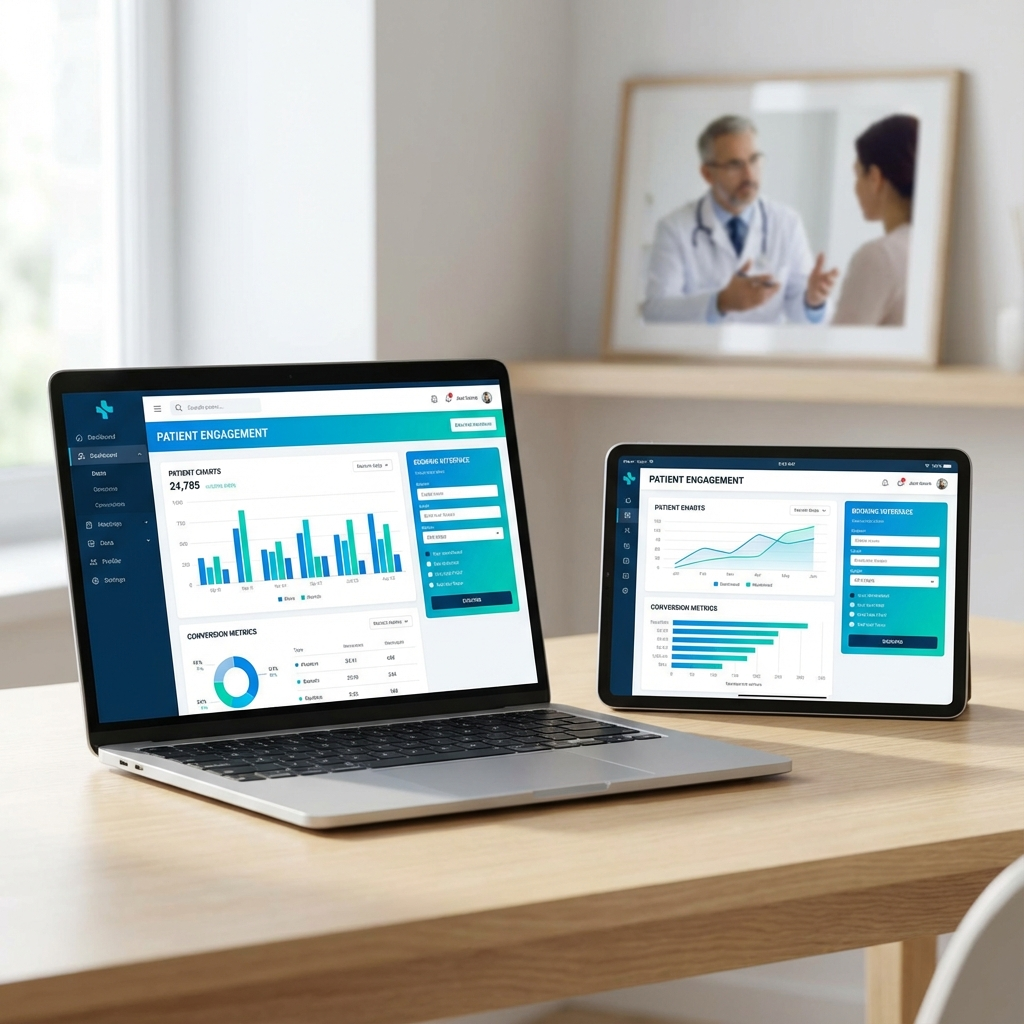
Improving patient bookings and turning visitors into scheduled appointments is one of the fastest ways to grow a clinic or medical practice. In this guide you will get practical, tested tactics for how to improve conversion rate on medical website that focus on trust, clarity, and friction-free user journeys. These tips are practical for doctors, dentists, clinics, and medical marketing teams who want more measurable results from their site.
Summary
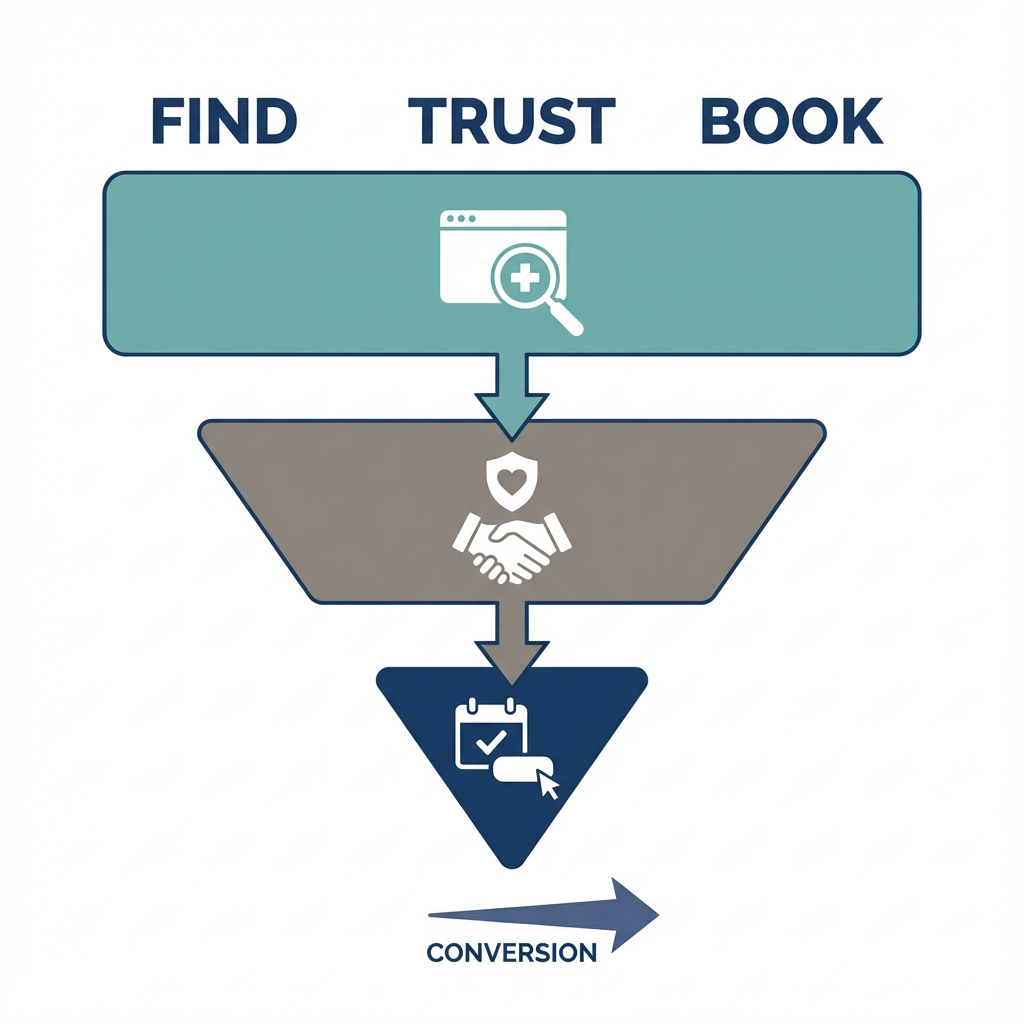
You will learn quick wins and strategic fixes that increase appointment requests and calls, including homepage messaging, trust signals, UX improvements, forms and booking flows, localized SEO and Google Ads landing page best practices. Implementing these elements together typically moves conversion rate within 30 to 90 days.
Why conversion optimization matters for medical websites
Most medical websites get traffic, but very few convert visitors into patients. Here's the thing, getting clicks is expensive when you pay for Google Ads or maintain SEO. Improving conversion rate reduces customer acquisition cost, increases ROI, and fills your calendar with qualified patients. Conversion optimization focuses on reducing friction, building trust, and making the next step obvious.
Quick conversion wins you can implement today
1) Lead with a clear, benefit-driven headline
Your homepage headline should explain who you help, the primary service, and the most important outcome, in one short sentence. Patients want to know quickly that you treat their problem and that you are local and reputable.
- Example: "Same-Week Dental Implants in Scottsdale, Trusted by 5,000+ Patients."
2) Make contact options impossible to miss
Display a clickable phone number in the header, and a persistent booking button. Use the phone link format so mobile users can call instantly: 📞 Call (480) 600-2477.
- Put the primary CTA in header, hero, and sticky footer.
- Offer multiple ways to convert: phone, online booking, contact form, live chat.
3) Simplify forms and booking flows
Long forms kill conversions. Ask for the minimum: name, phone, and preferred date/time or a one-click callback request.
- Use progressive capture for additional info after the initial booking.
- Offer a calendar widget (Calendly or integrated booking) to reduce friction.
4) Use strong trust signals and social proof
Medical decisions are trust-driven. Add: patient testimonials with photos, star ratings, clinical photos, staff bios with credentials, and logo badges for accepted insurance.
- Place a short testimonial near the CTA on every landing page.
- Use before/after images where appropriate, with patient consent.
5) Speed, accessibility, and mobile UX
Mobile is critical. Reduce page load time under 3 seconds and use large tap targets. Patients often search on the go.
- Compress images, prioritize above-the-fold content, and use accessible fonts and color contrast.
Landing pages and campaigns: match message to intent
Create campaign-specific landing pages
If you run Google Ads for hip replacements or Botox, send clicks to a matching page that mirrors the ad headline and addresses the specific concern. This cuts drop-off and increases conversions.
- Keep the page focused, remove unrelated navigation, and use a clear booking CTA above the fold.
Use local SEO and GEO AI SEO to capture nearby patients
Optimize location pages and services so AI search and local results surface you for queries like "dental implants near me" or "urgent care Scottsdale." Consider GEO AI SEO tactics to be visible in AI-driven responses.
- For help, run a Free AI SEO Audit to identify local opportunity gaps.
Content and messaging that converts patients
Answer patient questions early
Use short FAQ blocks on service pages to answer the top 5 concerns: cost, recovery, insurance, experience, and first steps. This reduces friction and objection handling.
Use benefit-first copy
Patients care about outcomes, not features. Lead with results: less pain, faster recovery, same-day appointments, insured providers.
Measurement: what to track and how to iterate
Track conversion rate by channel, landing page, and device. Important KPIs:
- Phone calls (click-to-call tracking)
- Online bookings completed
- Contact form submissions
- Cost per lead from Ads
Use A/B testing for headlines, CTA copy, form length, and hero images. Small lifts compound into big revenue gains.
Technical and privacy considerations for medical sites
- Ensure HIPAA-compliant forms or redirect sensitive communication to secure patient portals.
- Add clear privacy statements and a simple cookie banner for transparency.
- Use HTTPS everywhere and secure booking integrations.
Conversion optimization checklist for medical websites
- Clear headline and subheadline, patient-focused benefits
- Clickable phone number in header and footer
- Short, frictionless booking form or calendar widget
- Trust signals: reviews, credentials, staff bios, insurance info
- Fast, mobile-first pages under 3 seconds
- Campaign-specific landing pages that match ads
- Local pages optimized for GEO AI SEO and local search
- HIPAA-aware contact flows and privacy language
Frequently asked questions
How long before I see conversion improvements?
You can see small wins within days from headline and CTA fixes, and measurable lifts within 30 to 90 days after landing page and ad optimization.
What is a good conversion rate for medical websites?
It varies, but a typical baseline is 2 to 5 percent for organic traffic, and higher for targeted paid traffic. Clinics that optimize often reach 5 to 15 percent on focused landing pages.
Should I use online booking or phone-first approach?
Offer both. Phone is critical for urgent care and older patients, booking widgets work well for elective procedures and follow-ups. Make both options visible.
How do I measure phone calls as conversions?
Use click-to-call links, call-tracking numbers, and call analytics to attribute calls to campaigns and pages.
Do patient reviews really move the needle?
Yes. Reviews and ratings are among the top trust signals for medical decisions. Highlight short, specific testimonials near CTAs.
Is HIPAA a blocker for online forms?
No, but you must design intake to avoid collecting protected content in insecure forms. Use secure patient portals or HIPAA-compliant form providers.
Can Google Ads improve conversion rate on my site?
Yes when ad keywords and landing pages match intent. A well-optimized Google Ads campaign combined with conversion-focused landing pages delivers predictable leads.
Ready to improve conversions for your medical website?
If you want hands-on help to audit your site and implement high-impact fixes, Bemo Design can help. We specialize in medical and dental websites, Google Ads management, and GEO AI SEO. 📞 Call (480) 600-2477 or https://calendly.com/bemodesign to book a free marketing consultation. Run a free audit to see immediate opportunities with our Free AI SEO Audit.
Conclusion
Improving conversions on your medical website is mostly about reducing friction and increasing trust. Start with clear messaging, visible contact methods, and campaign-focused landing pages. Measure everything, test continuously, and prioritize the fixes that lower acquisition cost and increase booked appointments.
About Bemo Design
Bemo Design is a Scottsdale-based marketing agency led by Brian Bemo, delivering high-impact SEO, Google Ads, and AI-powered marketing strategies for businesses of all sizes. With over 25 years of experience, Bemo Design helps companies grow through trusted, hands-on service, transparent communication, and measurable results.
We specialize in helping Arizona businesses dominate online search and future-proof their visibility across Google, Bing, and AI-driven platforms like ChatGPT and Google SGE.
Our Top Services:
- SEO Services – Proven strategies to increase visibility and attract high-intent customers.
- GEO AI SEO – Generative Engine Optimization for ChatGPT, Google SGE, and AI-driven search results.
- Google Ads Management – Precision-targeted campaigns designed for conversions and ROI.
- Web Design – AI-optimized, mobile-friendly WordPress sites built to perform.
- Website Redesign – Modern updates that improve performance, SEO, and conversions.
- Logo Design & Branding – Visual identity that builds trust and recognition.
- Graphic Design & Print – High-quality creative design for web and print materials.
Ready to grow? 📞 Call (480) 600-2477 or Book a Call with Bemo to get started. Run a Free AI SEO Audit to see how your website ranks and what opportunities you’re missing.


