Biggest Challenges in Real Estate SEO 2024: Strategies That Work

![Header image omitted for featured placement]
Biggest Challenges in Real Estate SEO 2024 are still evolving, and if you run a small to mid-sized business, a professional practice, or an established brand trying to grow with search, this matters to you. Biggest challenges in real estate SEO 2024 are not just technical fiddles, they affect lead flow, ad spend, and client acquisition for dental and medical practices, real estate brokerages, and local service businesses across Scottsdale, Phoenix, and Maricopa County. Day 10 content for early stage businesses matters here too, because early trust signals compound into measurable rankings and faster ROI.
Why 2024 Felt Different for Real Estate Sites
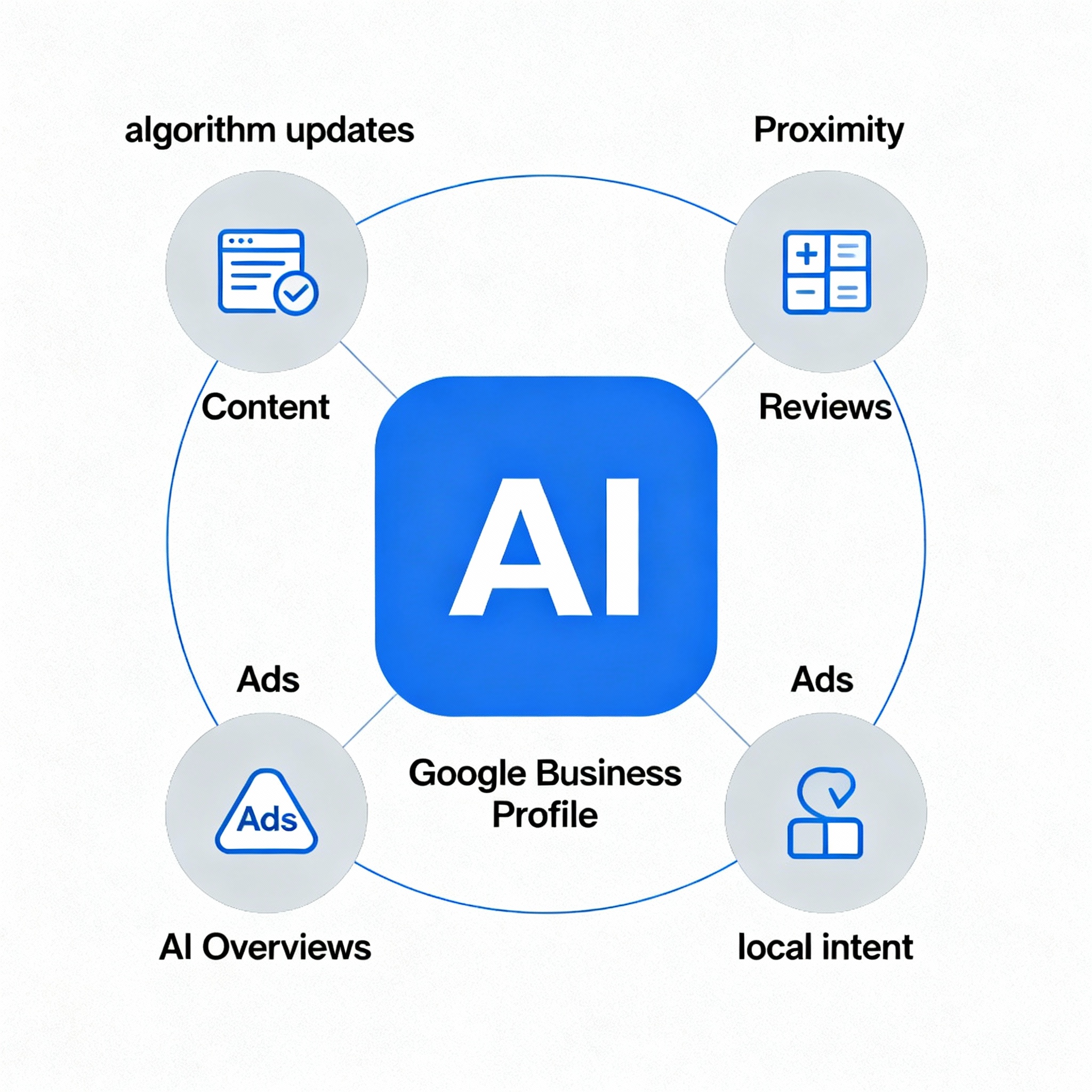
Here is the thing, 2024 was not only another year of updates, it was a year Google folded helpfulness and stronger spam-fighting into core search systems, and that had real consequences for property sites, IDX-heavy portals, and investor landing pages. Google publicly described a push to reduce low-quality, unoriginal content by roughly 40 percent as part of those March core changes, so sites built on thin or mass-generated pages were exposed. Read Google’s announcement for details.
Actionable takeaway: run a content audit, flag low-value pages, and prioritize user-first, locally specific content.
Sources: Google Search blog on March 2024 updates.
Biggest Challenges in Real Estate SEO 2024
1. Algorithm Volatility and Integrated Helpful Content
Problem
- Google integrated helpfulness and spam signals into core ranking systems, which makes recoveries slower and penalties broader. Sites that relied on churned or auto-generated pages lost visibility quickly.
Why it matters
- Real estate sites often produce many near-duplicate listing pages or templated neighborhood rundowns, and those are easy targets for the updated systems.
What to do
- Consolidate duplicate pages and add original, local insights such as walkability notes, school district nuance, or transaction data. Document author expertise and update pages regularly.
Read more: Search Engine Journal on the helpful content integration.
2. Hyperlocal Relevance and Proximity Signals
Problem
- Google increased the weight of proximity and hyperlocal signals in 2024, so a closer competitor can outrank you even with fewer reviews or backlinks.
Why it matters
- Buyers and sellers use highly specific queries, like "3-bedroom bungalow near Old Town Scottsdale with a pool." That specificity favors pages optimized for micro-neighborhood detail.
What to do
- Create true location pages for neighborhoods and subdivisions, include local landmarks and transit details, and use schema to mark addresses and service areas.
Source: Local SEO Collective deep dive on 2023 and 2024 local updates including a June 2024 proximity boost.
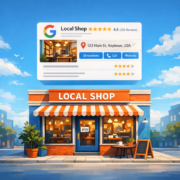
3. Google Business Profile Verification and Feature Changes
Problem
- Google tightened verification for local ads and enhanced profile features that favor verified and actively managed listings.
Why it matters
- Local services, open houses, appointment links, and posts now play a larger role in clicks from Search and Maps. If your GBP is incomplete or unverified, your visibility and ad eligibility can be affected.
What to do
- Verify and fully populate Google Business Profile, post event and listing updates, and sync social content where supported.
Source: AP News on Google requiring verified Business Profiles for Local Services ads changes.
4. Generative AI Overviews and Reduced Click Opportunities
Problem
- Generative summaries and AI Overviews sometimes answer user queries on the SERP, reducing clicks to sites that used to capture long-tail traffic.
Why it matters
- If third-party content is used to craft an overview, your property guides may be summarized away unless they offer deeply original data or exclusive insights.
What to do
- Publish primary data, exclusive local market reports, interactive tools, and video walkthroughs that are harder for aggregators to replicate. Use structured data so your content can be credited.
Context: AI Overviews appear more for broad queries, and when they do for local search they pull from third-party sources and GBP data. See industry analysis for evolving impact.
Source: Localo on AI Overviews and local search impacts.
5. Content Quality, Scaled AI Content Risk, and EAT Signals
Problem
- Mass-produced pages and AI-only content face detection and de-ranking. At the same time, Google increasingly favors expertise and trust.
Why it matters
- Many brokerages and investor sites used automated content to scale, which now risks being classified as unhelpful or spammy.
What to do
- Use AI to draft, then add human expertise and local facts. Showcase credentials, case studies, and testimonials. Keep a content refresh schedule.
Background: Google called out scaled content abuse and updated spam policies to tackle low-quality automated content. See Google’s update for specifics.
Source: Google Search blog on fighting scaled content abuse.
6. IDX, Duplicate Listings, and Crawl Waste
Problem
- IDX integrations and many near-duplicate MLS pages can cause crawl inefficiency and dilute ranking signals.
Why it matters
- Search engines waste crawl budget on repetitive listing pages, and duplicate content can confuse ranking systems.
What to do
- Use canonical tags, noindex boilerplate listing pages where appropriate, and build pillar content around neighborhoods rather than individual ephemeral listing pages.
7. Technical Performance: Mobile, Speed, and Core Web Vitals
Problem
- Mobile-first indexing is now the norm, and slow pages cost visibility and conversions.
Why it matters
- Real estate audiences often browse on mobile while house-hunting. Poor UX means lower time on page and fewer leads.
What to do
- Prioritize mobile UX, compress images, lazy-load noncritical assets, and test with PageSpeed Insights. Implement AMP-like techniques for fast mobile previews where it fits.
8. Paid Search Pressure and Rising CPCs
Problem
- As organic gets tougher, many agents and brokerages increase Google Ads spend, which drives up CPCs for competitive residential keywords.
Why it matters
- Higher acquisition costs force smarter landing pages and better conversion optimization to maintain ROI.
What to do
- Use granular geo-targeted campaigns, smart bidding with first-party conversion signals, and match landing page messaging closely to ad intent.
9. Reviews, Reputation, and Local Trust Signals
Problem
- Google and users value qualitative reviews more than star averages. Short, generic reviews are less persuasive than detailed local anecdotes.
Why it matters
- Trust drives clicks and calls, especially for high-consideration services like real estate and dental practices.
What to do
- Request detailed reviews, respond publicly, and add review snippets and case studies to service pages.
Real Example: A Quick Story
Last year I worked with a small brokerage in Phoenix that lost half its organic leads after a core update. We stopped chasing keyword lists and focused on rewriting the top 50 pages with market-specific analysis, added neighborhood transaction charts, and verified their GBP with updated service attributes. In three months calls were back, and their CPL dropped by nearly 35 percent. Small moves, big impact.
Action Plan Checklist For Q4 and Beyond
- Audit and prune low-value pages, consolidate duplicates.
- Make Google Business Profile a weekly habit, post open houses and community updates.
- Produce original local data and downloadable market reports.
- Combine AI drafting with human editing and expert bylines.
- Improve mobile speeds and Core Web Vitals.
- Track first-party conversions, and tie Ads to lead quality not just volume.
Tools and Signals to Monitor
- Google Search Console for indexing and performance issues.
- PageSpeed Insights and Lighthouse for performance.
- GBP insights for local engagement.
- Backlink tools such as Ahrefs or Moz for link audit.
Conclusion and Next Steps
2024 taught us that real estate SEO is less about hacks and more about building local trust, original content, and resilient technical foundations. If you are a small to mid-sized business, dental or medical practice, or a local service provider in Scottsdale, Phoenix, or Maricopa County, start with a targeted content audit and a verified Google Business Profile. Want help mapping a recovery plan or redesigning pages for higher conversions and lower ad spend, let us know and we will walk you through a practical roadmap tailored to your market.
Further reading and references:
- Google Search updates: Google Search blog on March 2024 updates
- Local algorithm deep dive: Local SEO Collective
- Local business changes and verifications: AP News coverage of Google Local Services ads changes
- Local SEO future notes: Forbes on the 2025 local SEO shift
- AI Overviews and local search: Localo blog on local SEO and AI Overviews